

Belonging Before Achieving
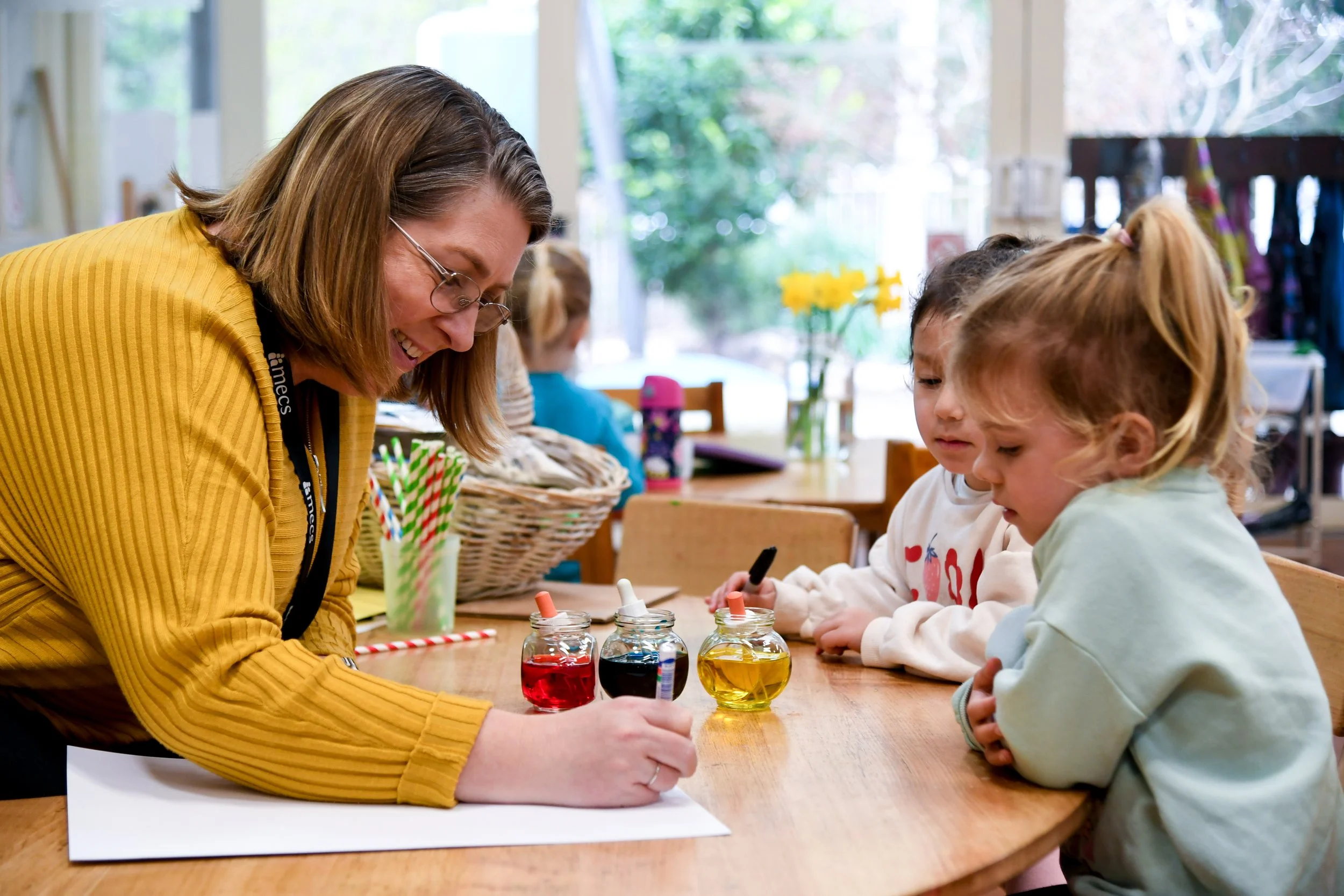
No doubt you have noticed the many recent events at MECS - gatherings for students, families, parents, our wider community and even staff. They have certainly been joyful occasions. But are they simply fun extras? In a busy school, why do we invest so much time and energy in them? Could they actually be distractions from our 'real work'?
In a world that often measures success by performance and measurable outcomes, Christian education at MECS begins somewhere different.
It begins with belonging.
Before a child can learn to read fluently, solve complex problems or perform on a stage, they need to know something deeper - that they are known, valued and loved. Our prayer is that MECS is a place where students experience this within our community, but even more importantly, that they know they are known, valued and loved by God.
Scripture reminds us that we are made for community. We are created in the image of a relational God. Belonging and connection is not an optional extra - it is part of God’s good design.
Research supports what Scripture outlines. A large longitudinal study of more than 8,000 primary-aged students found that a strong sense of school belonging predicts improved academic achievement over time. Belonging does not distract from learning - it strengthens it.
This is why we invest time, energy and resources in creating events to help foster a sense of belonging and connection. Creating a place where students feel connected is foundational not only for academic achievement, but more importantly for whole person flourishing. Belonging creates the soil in which flourishing can take root.
But flourishing in Christian education is more than happiness or comfort or growing in knowledge alone. It is growth in wisdom, character and courage. And these require challenge.
Even with our youngest students in Kindergarten, flourishing requires doing hard things.
Hard things like separating from a parent and learning to trust other adults.
Hard things like developing independence.
Hard things like following a shared plan rather than their own.
Hard things like navigating friendships, asking for help, resolving conflict and restoring relationships.
When our students are supported through challenges - rather than shielded from them - they develop resilience and perseverance. They grow in wisdom, character and courage. They learn that they can do hard things. As Romans 5:3–4 reminds us, perseverance produces character, and character produces hope.
Our desire is not simply that students achieve, but that they flourish - intellectually, socially, emotionally, physically and spiritually. And flourishing begins with belonging: being connected in community, supported to face challenge, and grow into the people God has created them to be.
Gill Birkett
Kindergarten Director